
Mastering Your BBQ: Setting Up Your Cooking Zone for Direct and Indirect Heat
Ever wondered why some BBQ recipes mention “indirect heat” or “two-zone cooking”? If you’re just starting out, it can sound a bit technical — but don’t worry. This guide breaks down the difference between direct and indirect heat BBQ cooking in simple terms.
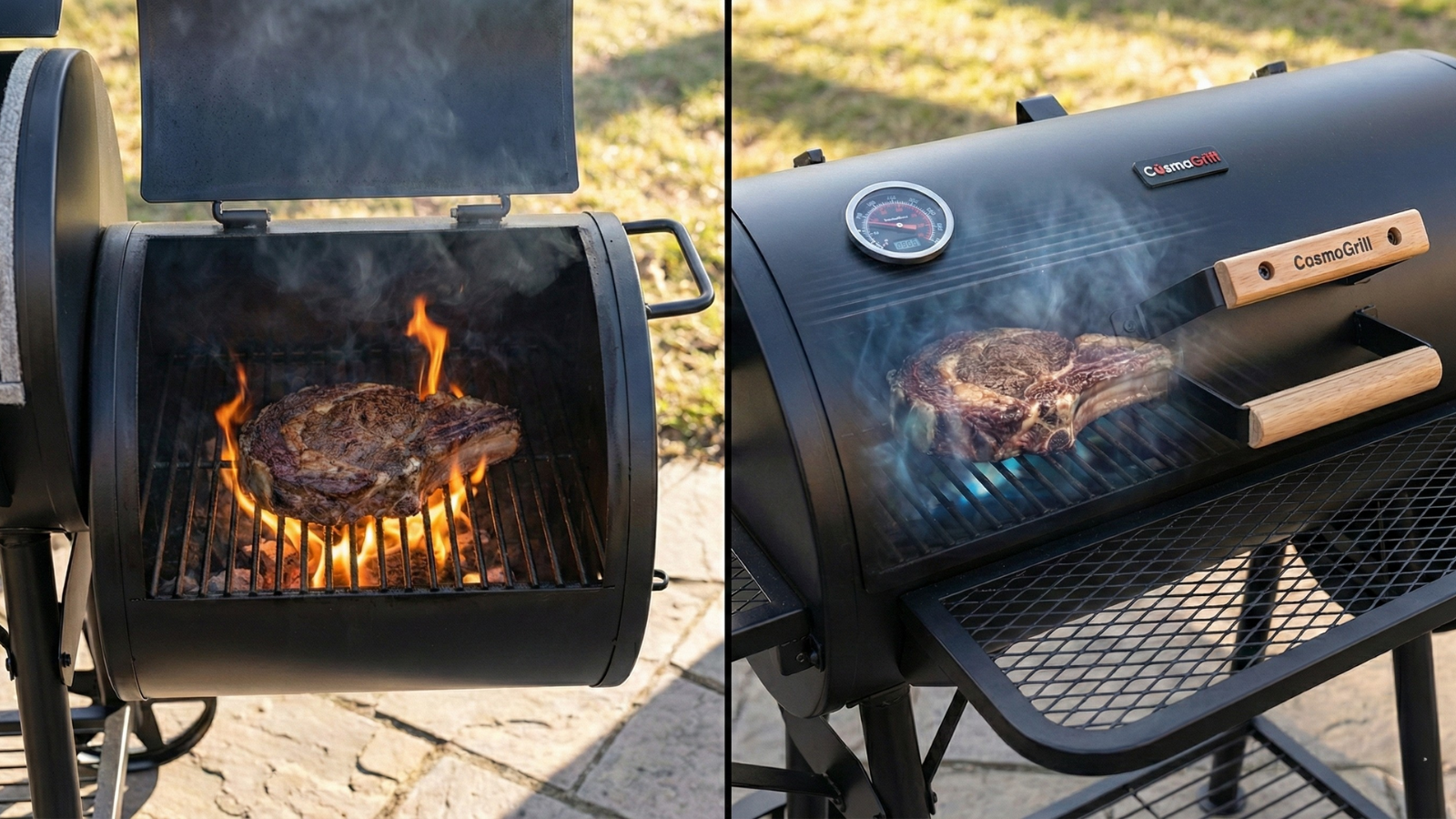
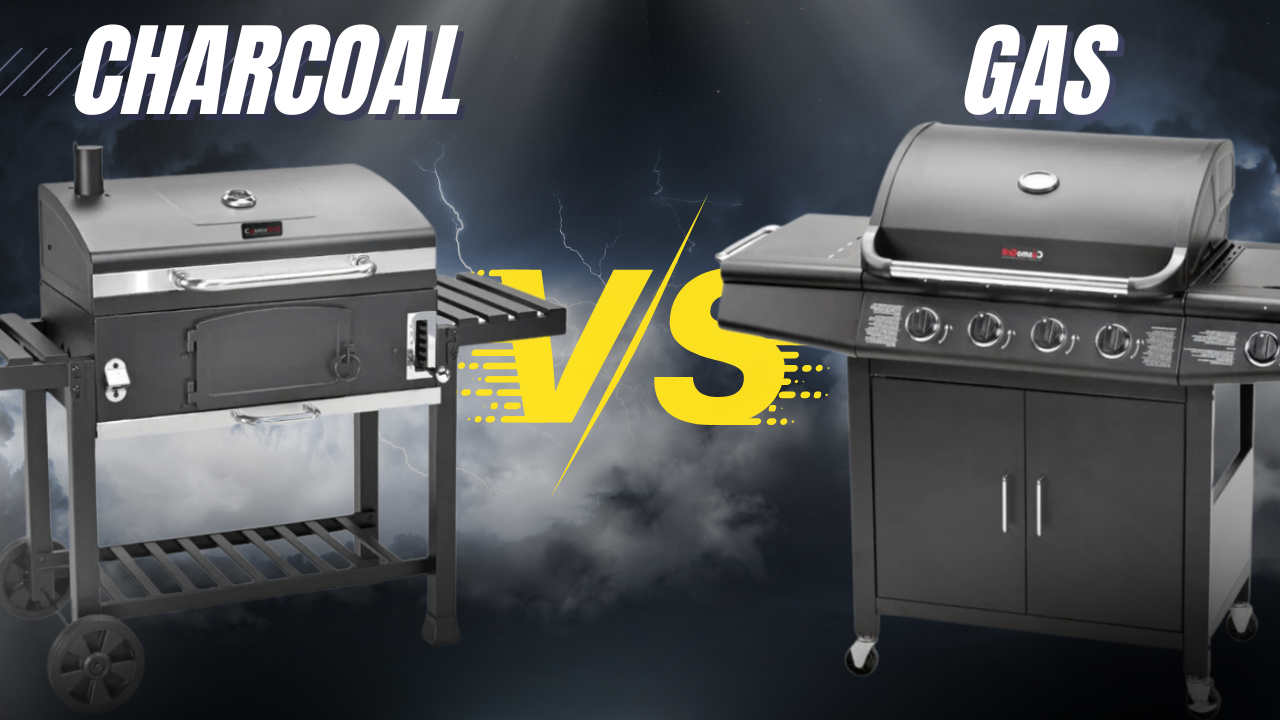
Whether you're using a gas and charcoal BBQ or a CosmoGrill dual fuel BBQ, understanding how to manage heat is the key to better flavour, better texture, and better results on the grill.
What Is Direct Heat BBQ Cooking?
Direct heat means placing your food right over the flames or burners. It’s the most common grilling method — high heat, fast cooking, and delicious char.
-
🔥 Ideal for: Steaks, burgers, sausages, chicken breasts, prawns, veggies
-
🕐 Cooks in: Under 20 minutes
-
🍽️ Best for: Searing, caramelising, and grill marks

This method is like using a frying pan — quick and intense. It works well for foods that don’t need a long cooking time.
What Is Indirect Heat BBQ Cooking?
Indirect heat means placing your food next to, not over, the flames. The BBQ lid is closed, and the hot air circulates like an oven, cooking the food slowly and evenly.
-
🐔 Ideal for: Whole chickens, brisket, ribs, roasts, baked potatoes
-
🕒 Cooks in: 30+ minutes
-
🍽️ Best for: Roasting, baking, smoking, slow cooking

Indirect heat is perfect for large or tough cuts that need time to break down and become tender without burning.
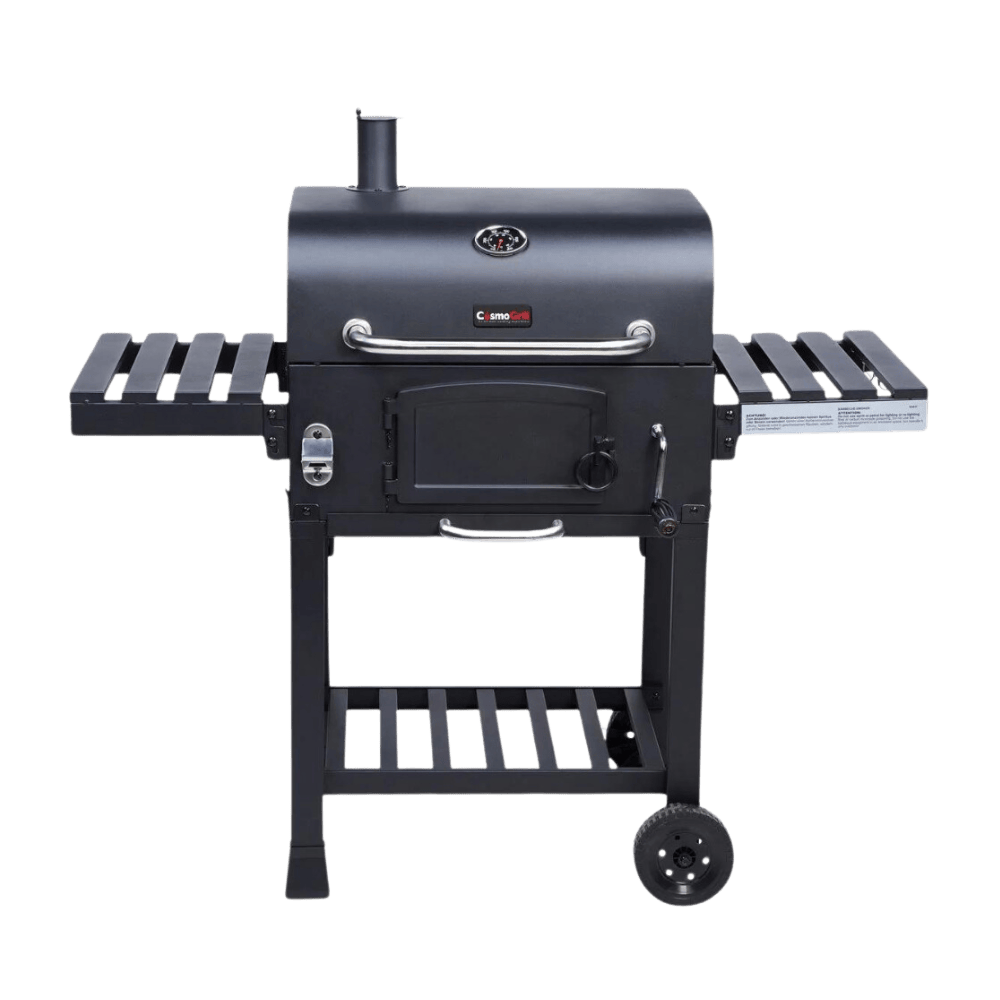
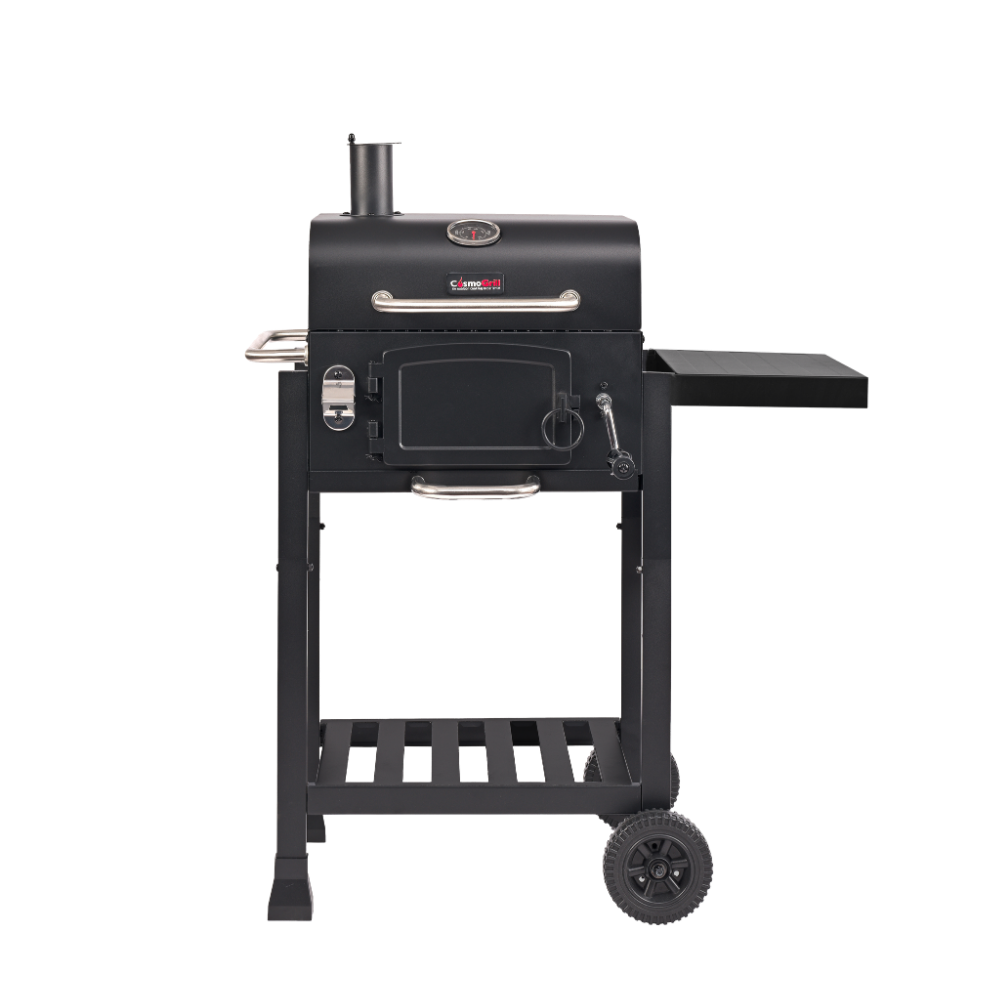
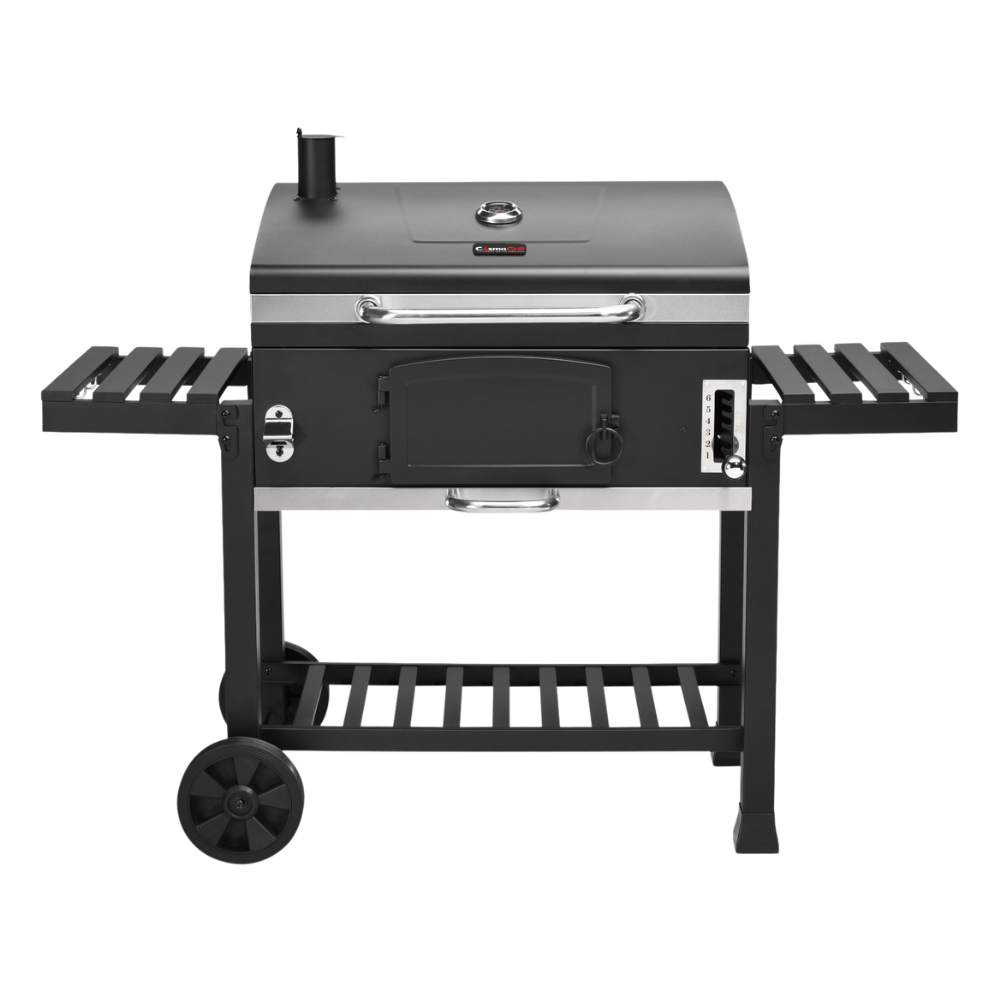
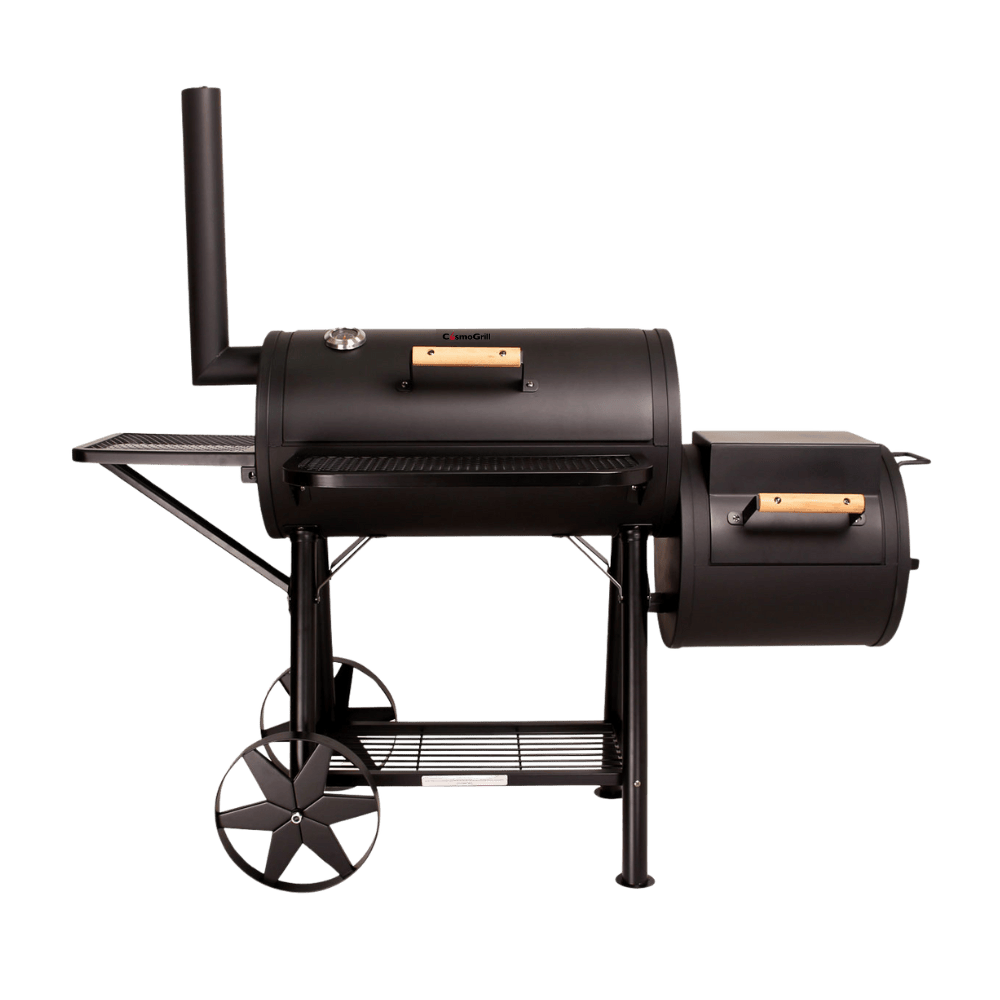
Ready to put it into practice? Explore our range of gas, charcoal, and dual fuel BBQs designed for easy two-zone cooking.
How to Set Up BBQ Cooking Zones
Setting up heat zones on your BBQ allows you to switch between direct and indirect cooking easily. This is called two-zone cooking — a key technique for gas and charcoal combo grills.
🔧 On a Charcoal BBQ:
-
Light your charcoal and pile it on one side of the grill.
-
Leave the other side empty — that’s your indirect heat zone.
-
Cook over the coals for searing, then move to the cool side to finish.
🔧 On a Gas BBQ:
-
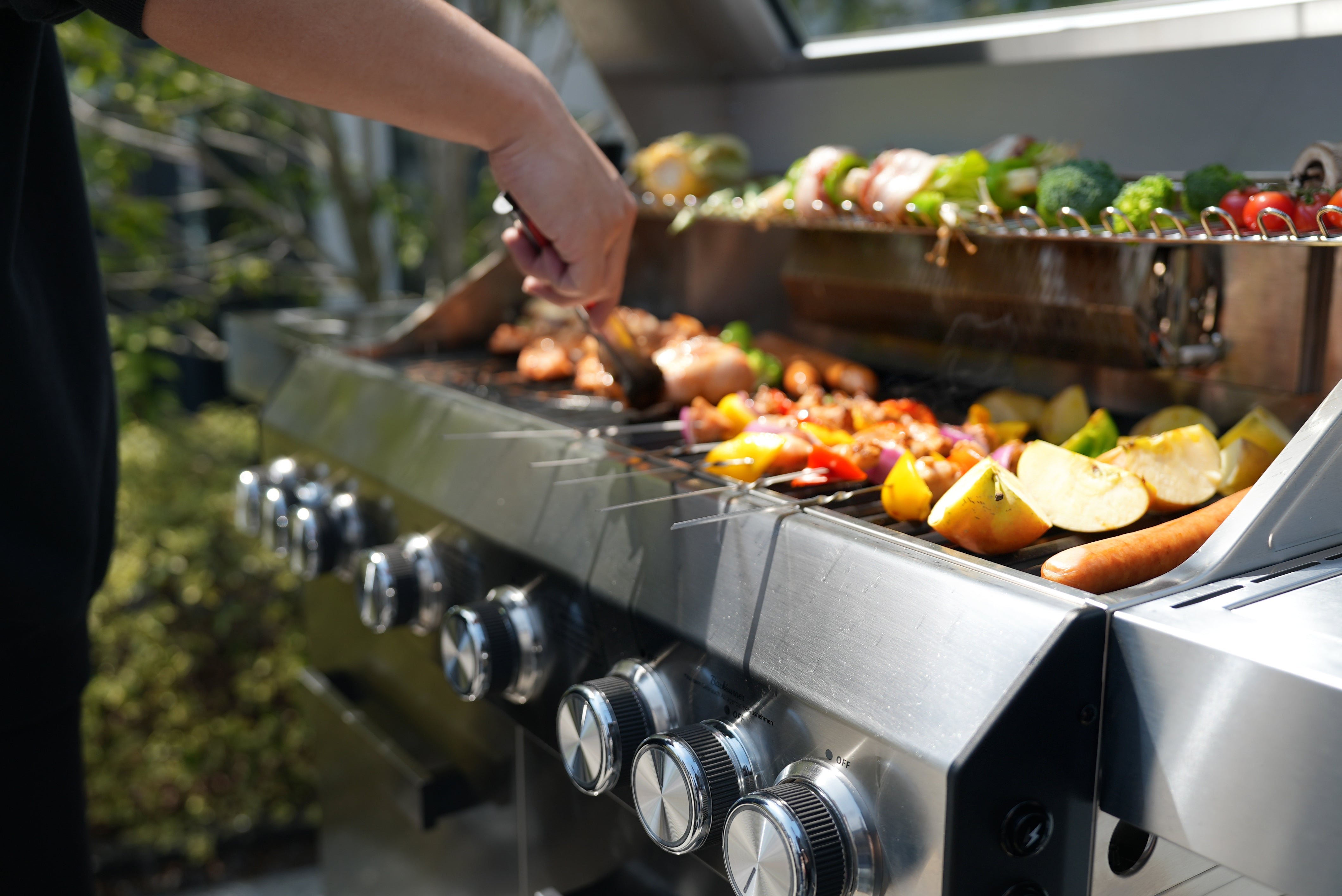
Turn on one or two burners, depending on your grill size.
-
Leave at least one burner off — that’s your indirect zone.
-
Place food over the unlit area and close the lid for even cooking.
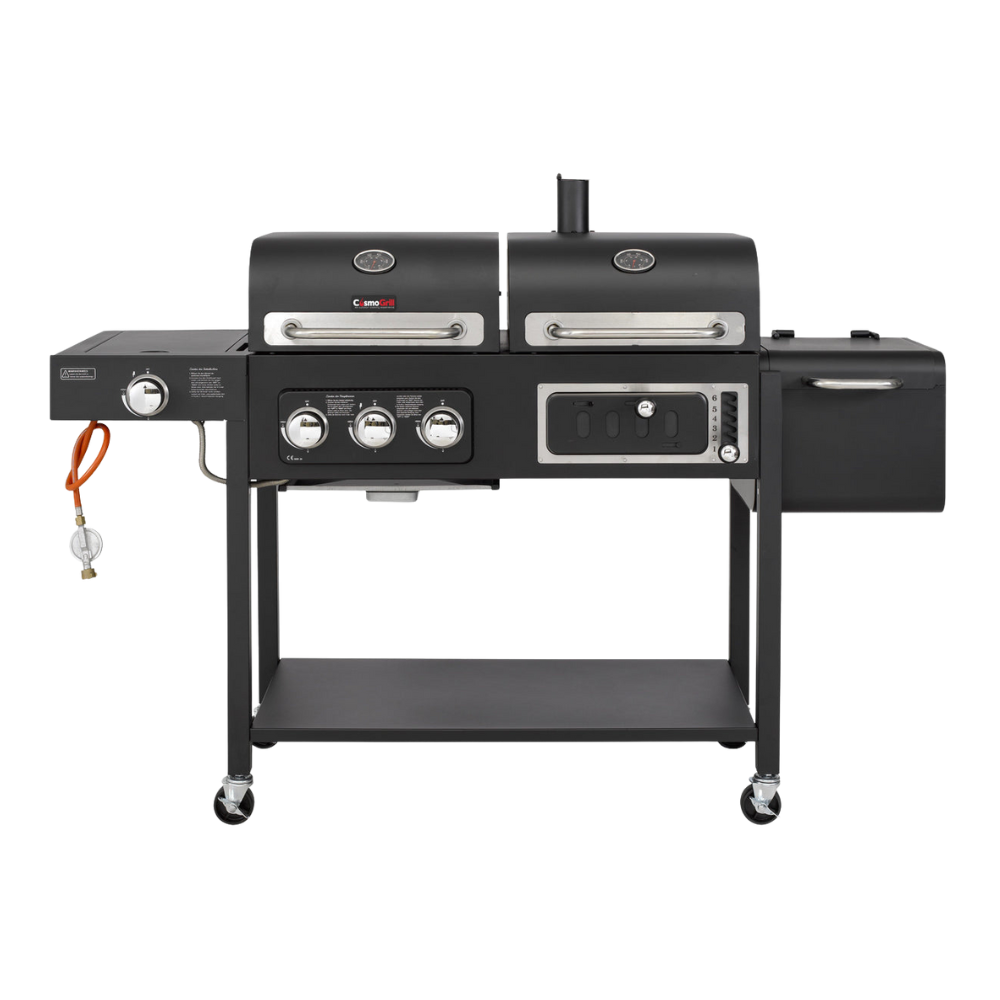
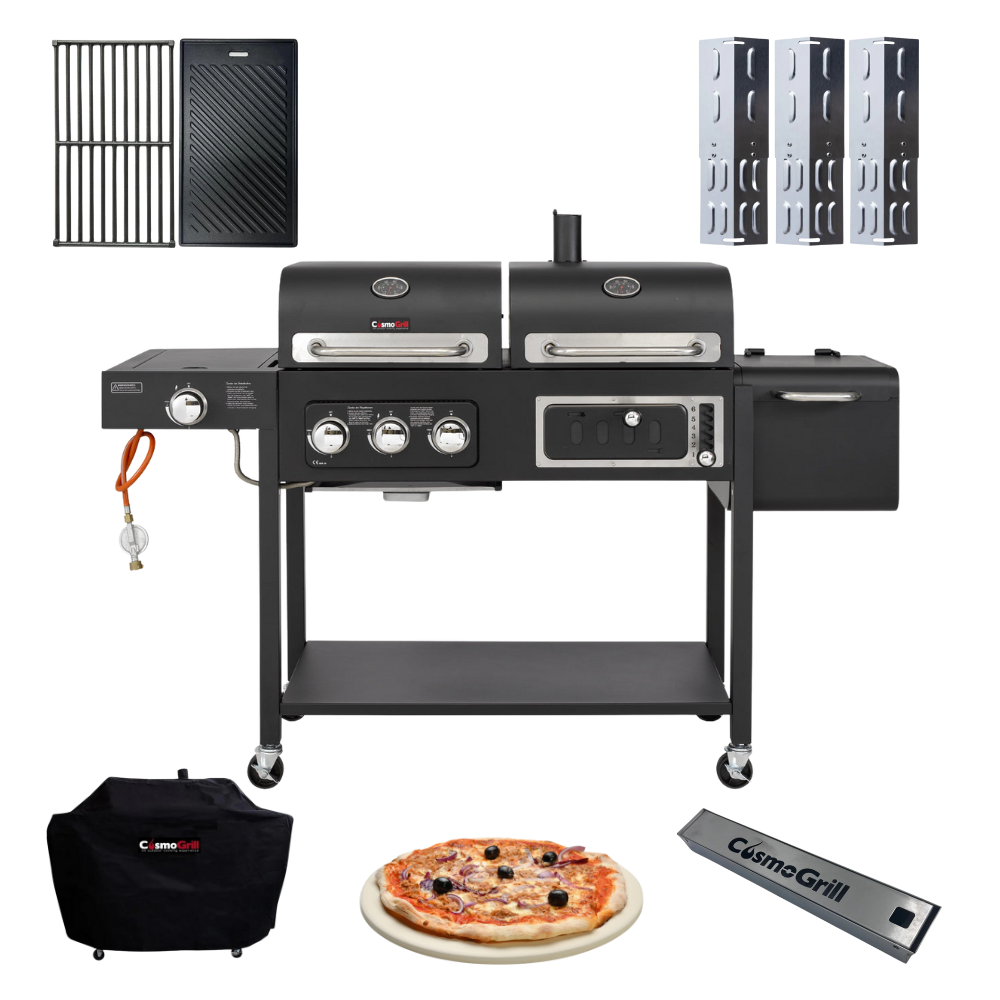
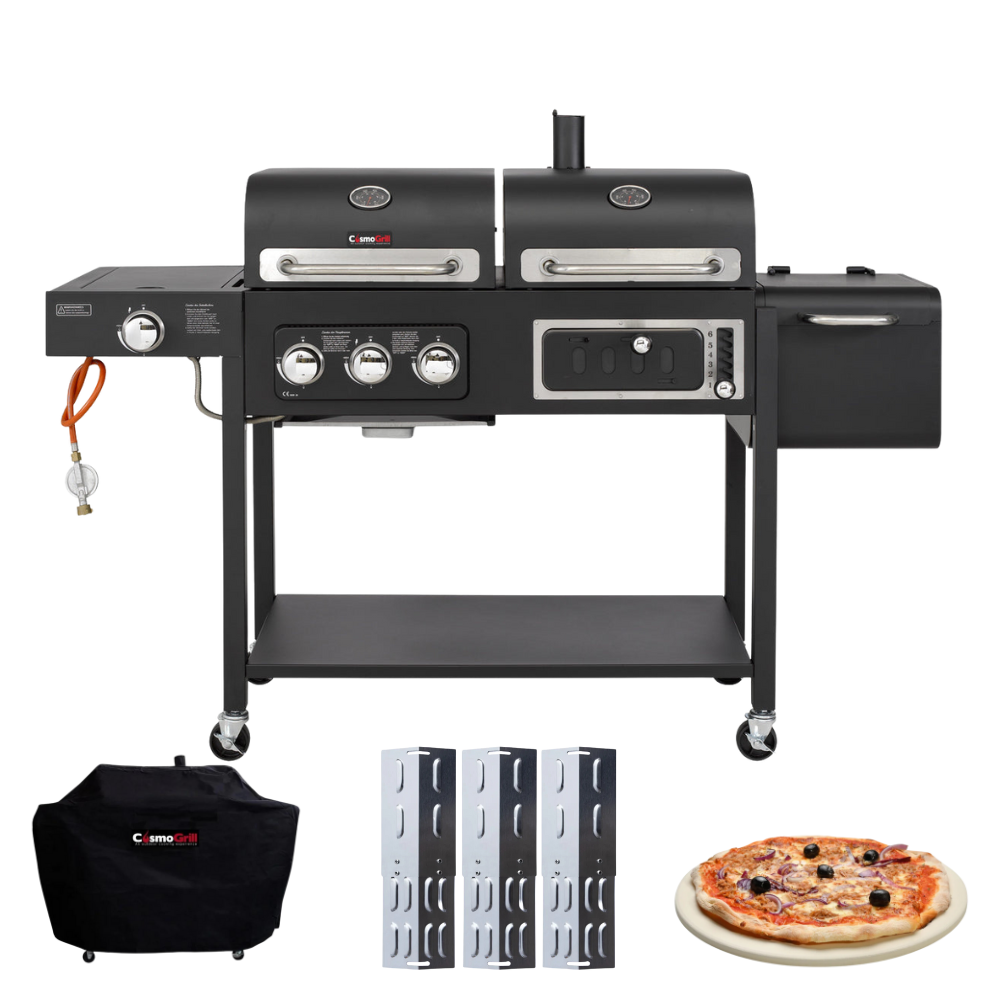
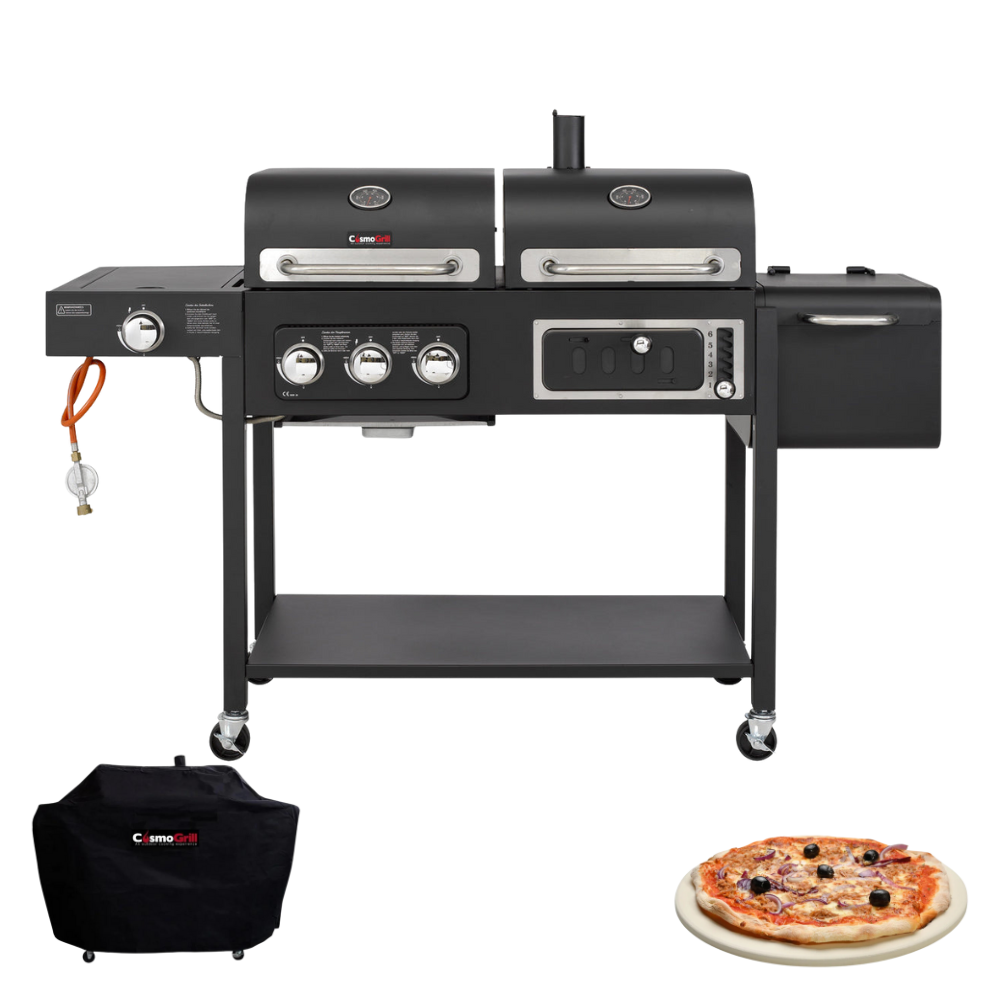
This setup works brilliantly on the CosmoGrill Duo Dual Fuel BBQ, letting you create zones on both the gas and charcoal sides.
Why Use Both Heat Zones?
Most BBQ pros use both direct and indirect heat in a single cook.
Steak
-
Start over direct heat to get a good sear.
-
Move to indirect heat to finish cooking to your preferred doneness.
Chicken Skewers
-
Grill over direct heat until browned.
-
Move cooked pieces to indirect zone to keep warm while others finish.
This method is called the reverse sear when applied to large meats like tri-tip or brisket — cooking low and slow, then searing at the end for a flavour-packed crust.

Direct vs Indirect Heat: Key Differences

Using Heat Zones on a Dual Fuel BBQ
If you have a CosmoGrill hybrid BBQ, you’ve got maximum control:
-
Use charcoal side for indirect cooking (with smoker box)
-
Use gas burners for direct searing or fast grilling
-
Or combine both: slow smoke on charcoal, finish on gas!
This is the biggest benefit of using a gas and charcoal grill combo — you don’t have to choose between flavour and convenience.
Understanding direct and indirect heat is one of the most important BBQ skills to learn — and it’s surprisingly easy. Mastering heat zones will make you a more confident cook, whether you're flipping burgers or slow-smoking a brisket.

With a CosmoGrill dual fuel BBQ, setting up both zones is simple and effective, helping you cook with more control, flavour, and flexibility.
Bonus FAQs
What’s the difference between direct and indirect heat BBQ cooking?
Direct heat cooks food quickly over flames. Indirect heat cooks slowly using circulated hot air.
Can I use both direct and indirect heat on one BBQ?
Yes, especially on a dual fuel BBQ or a two-zone gas and charcoal grill combo like the CosmoGrill Duo.
What’s the best method for grilling steak?
Use both: sear over direct heat, then finish over indirect heat for perfect doneness.




Leave a comment
This site is protected by hCaptcha and the hCaptcha Privacy Policy and Terms of Service apply.